


If every sink, shower, and toilet in your home is draining slowly, the problem may not be a simple clog. It could be a sign of septic failure.
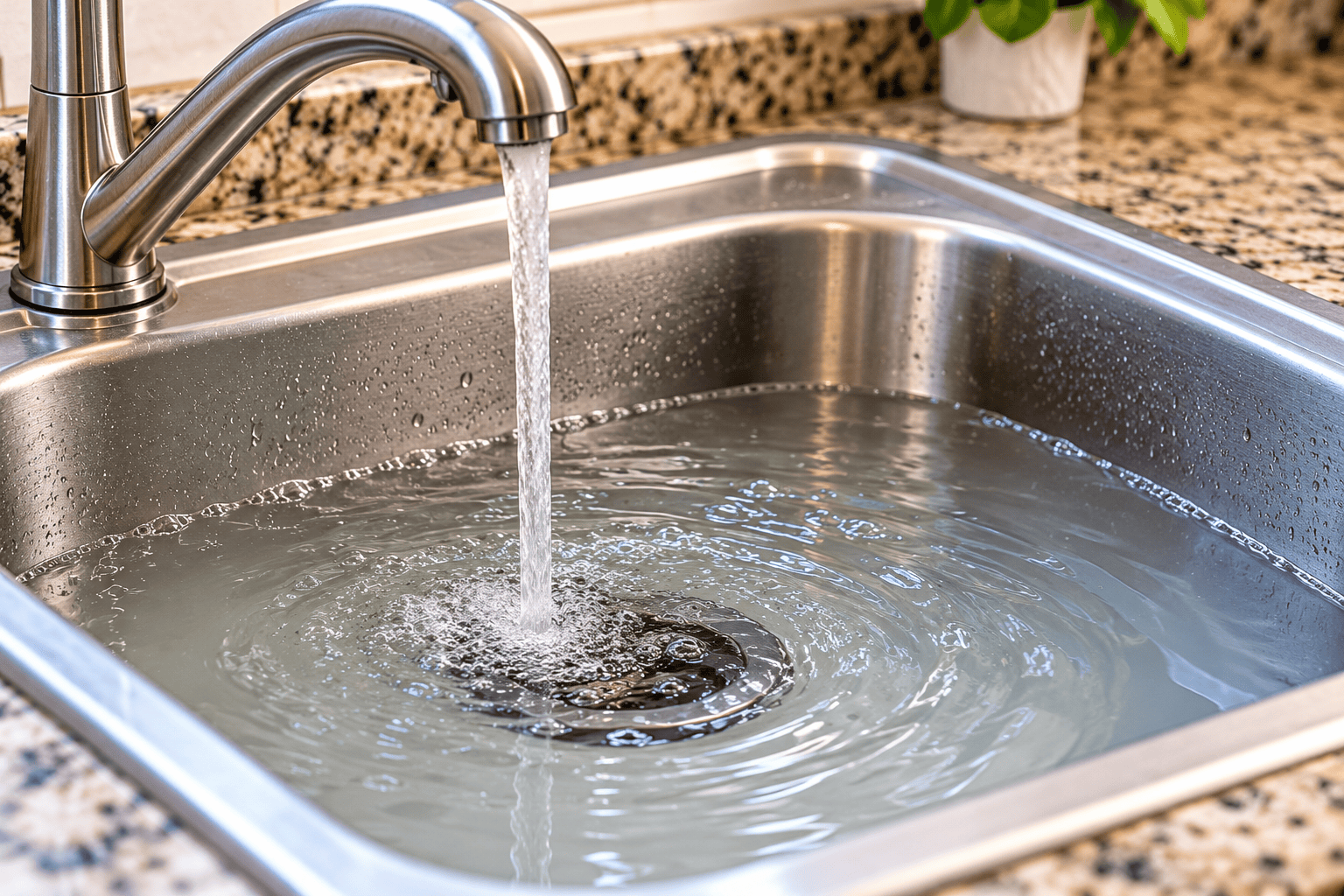
Kitchen sink drain
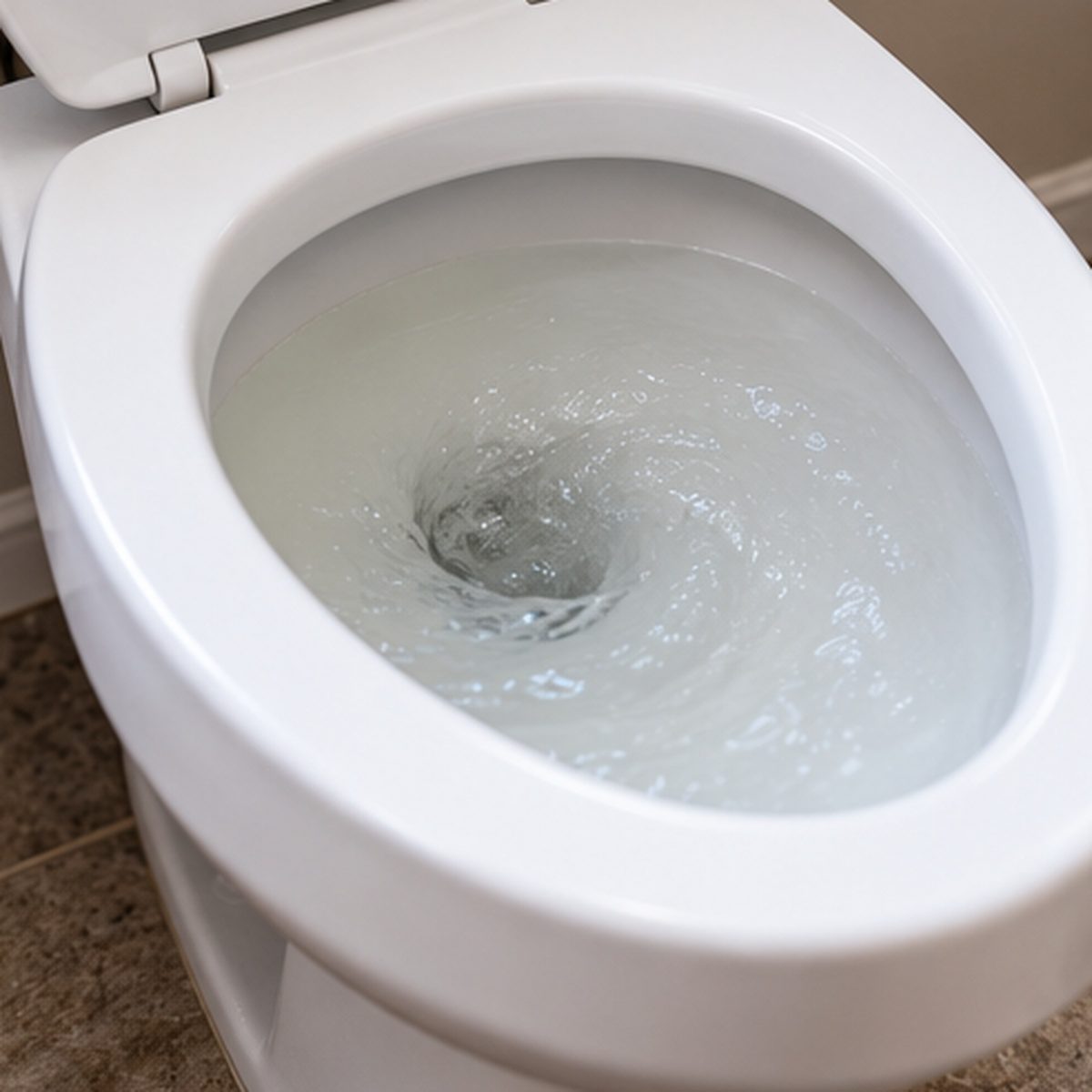
Toilet drain
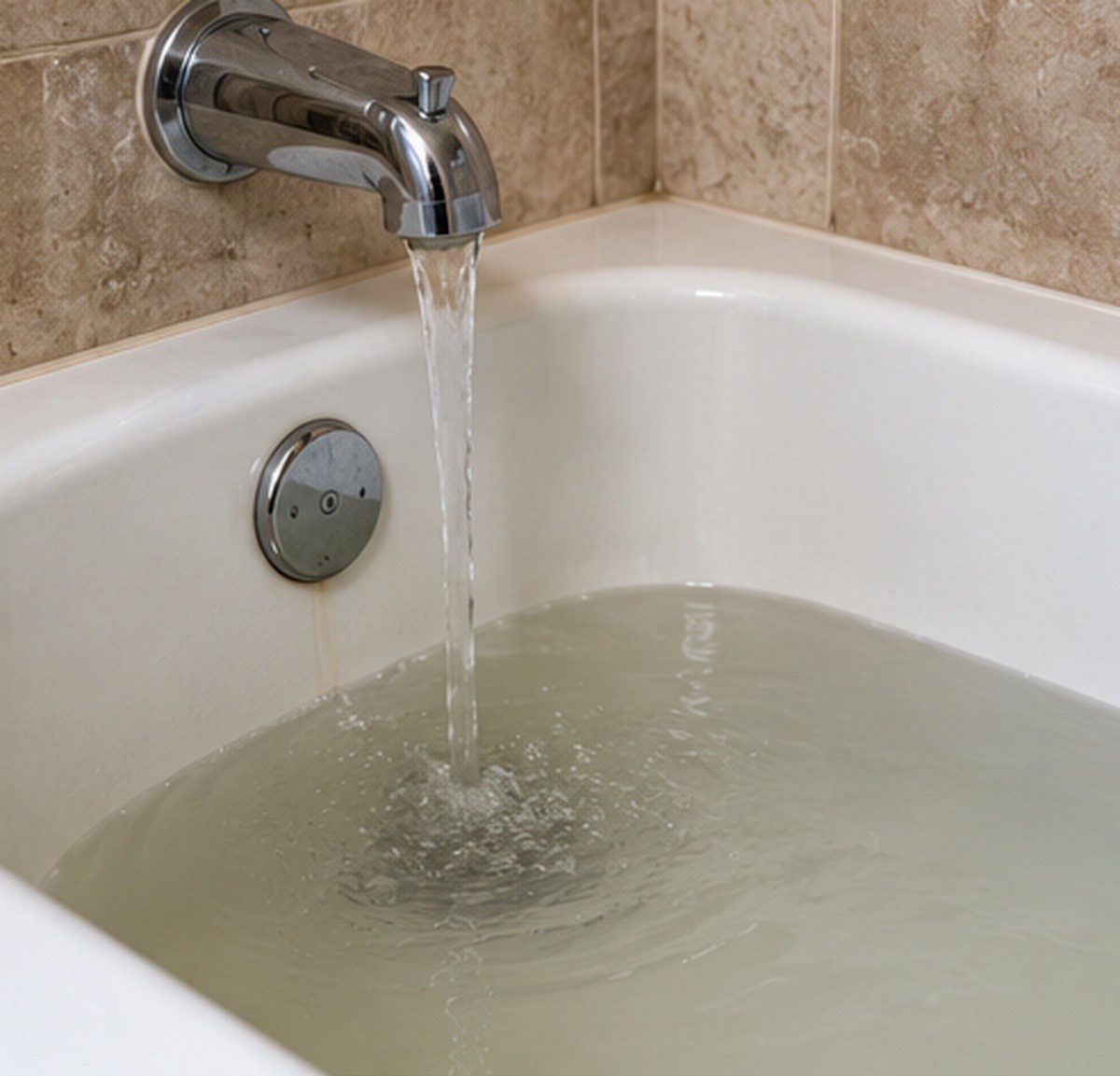
Bathtub drain
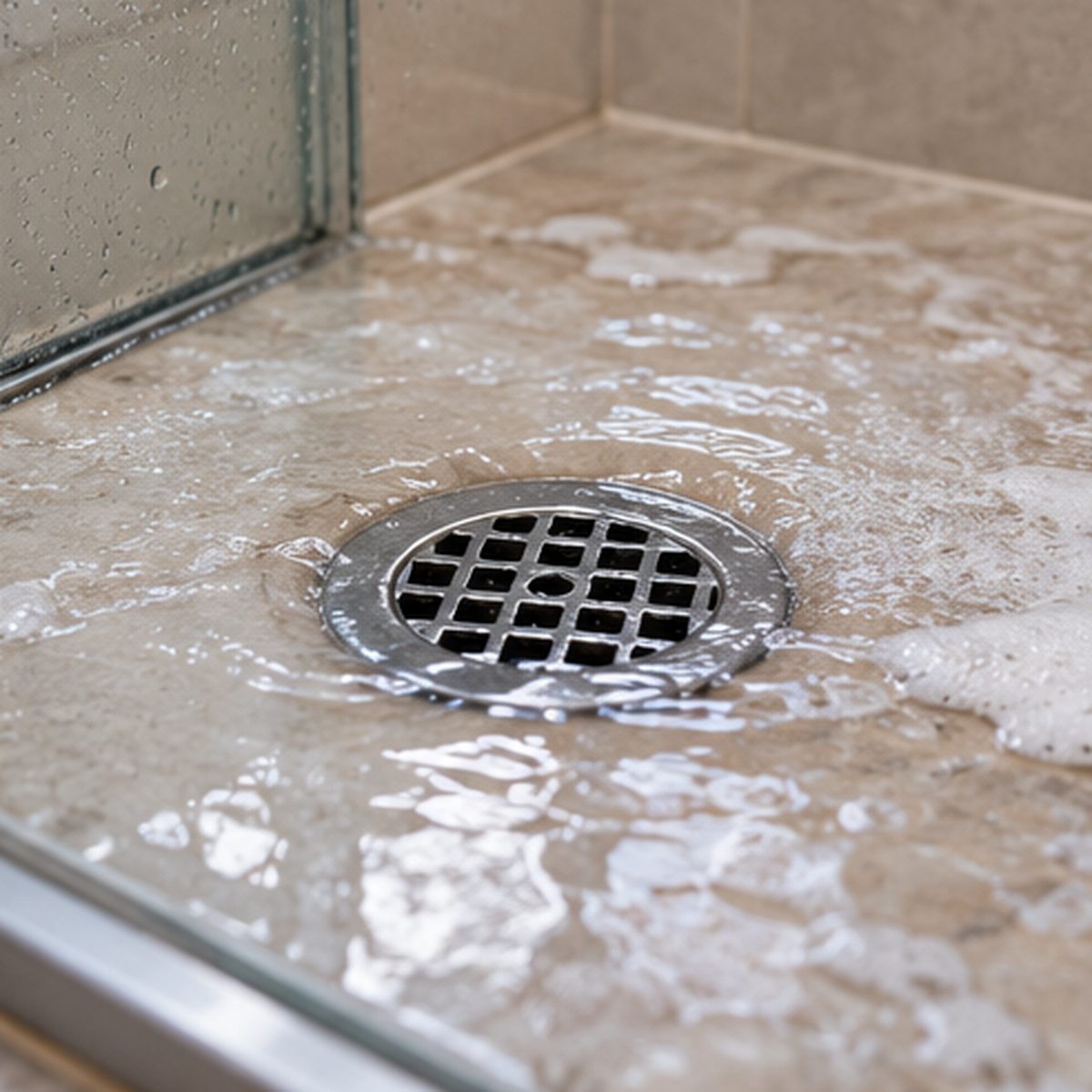
Shower drain
Bathroom sink drain
Slow drains are one of the earliest warning signs that a septic system is struggling, and catching the problem early can save you thousands of dollars and protect your family, your yard, and the local groundwater.
In this guide, you’ll learn why septic problems cause slow drains, how to tell a septic issue from an ordinary clog, what you can safely do right now, and when it’s time to call a septic professional.
Quick Answer: Can a Septic System Cause Slow Drains?
Yes. When a septic tank is full, a pipe is blocked, or the drainfield can no longer absorb wastewater, water has nowhere to go. It backs up into your home’s plumbing, and drains slow down, usually in several fixtures at once.
How a Septic System Works — The 30-Second Version
Understanding the basics makes it easier to spot problems:
- Household plumbing: Wastewater leaves your home through the main sewer line.
- Septic tank: Solids settle to the bottom as sludge, while fats and oils float to the top as scum. Bacteria break down some of the waste.
- Drainfield (leach field): Liquid effluent flows out of the tank into perforated pipes and filters through the soil, which treats it naturally.
If any stage fails, wastewater slows down or backs up. The result is often sluggish drains.
Slow Drain: Simple Clog or Septic Failure?
Not every slow drain means your septic system is failing. Use this comparison as a starting point:
| Likely a Local Clog | Likely a Septic Problem | |
|---|---|---|
Number of affected drains | One sink, tub, or toilet | Multiple fixtures or the whole house |
Gurgling sounds | Occasional, near one drain | Frequent, from several drains or toilets |
Toilet behavior? | Clears with a plunger | Slow flushing or bubbling when other fixtures run |
Odors | Mild drain smell | Strong sewage smell indoors or in the yard |
Yard conditions | Normal | Soggy ground, pooling water, or unusually green grass over the drainfield |
Response to drain cleaning | Improves | Returns quickly or doesn’t improve |
7 Warning Signs of Septic Failure
1. Slow Drains Throughout the House
When your tub, sinks, and toilets all drain slowly at the same time, the blockage is probably past your individual fixtures—in the main line, the tank, or the drainfield.
2. Gurgling Pipes and Toilets
Gurgling happens when trapped air is forced back through the plumbing because wastewater can’t flow out normally.
3. Sewage Backups
Wastewater coming up through floor drains, tubs, or toilets is a serious sign. The lowest drain in the house, often a basement drain or shower, is usually the first to back up.
4. Foul Odors
Sewage smells near the tank, the drainfield, or inside your home mean gases aren’t venting properly or effluent is surfacing.
5. Soggy Ground or Standing Water
Wet spots, pooling water, or spongy soil near the tank or drainfield suggest the soil can no longer absorb effluent.
6. Unusually Lush, Green Grass
A patch of grass that is greener and faster-growing than the rest of your lawn can indicate effluent leaking near the surface.
7. Contaminated Well Water or High Nitrates
If you rely on a private well, a failing septic system can contaminate your water supply. Test your well water regularly, and immediately if you notice any of the signs above.
Learn more about the Top warning signs your septic system may be failing.
Common Causes of Slow Drains From Septic Problems
A Full Septic Tank
When sludge and scum build up past safe levels, solids can move into the outlet and drainfield, and wastewater backs up. Regular pumping prevents this.
Clogged Inlet or Outlet Baffles or Effluent Filter
Baffles and filters keep solids from leaving the tank. If they clog, wastewater can’t flow properly and drains slow down.
Drainfield Failure
Over time, a layer of bacterial growth called a biomat forms in the drainfield. Too much of it, or soil that has become saturated or compacted, reduces absorption and causes backups.
Tree Roots
Roots seek out moisture and can invade pipes, tank connections, and drainfield lines, causing blockages and cracks.
Damaged or Collapsed Pipes
Heavy vehicles driving over the system, shifting soil, and aging pipes can all crush or misalign lines.
Excess Water Use
Doing several loads of laundry in one day, running long showers back-to-back, or leaking toilets can overload the system.
Flushing Non-Septic-Safe Items
“Flushable” wipes, feminine products, paper towels, grease, and cooking oil don’t break down well and can clog pipes or fill the tank faster.
Harsh Chemicals
Heavy use of bleach, antibacterial products, and chemical drain cleaners can disrupt the bacterial balance your septic system relies on.
Heavy Rain, Flooding, or a High Water Table
Saturated soil can’t absorb effluent, so your system may slow or back up even if it’s otherwise healthy.
What to Do Right Away If You Suspect Septic Failure
- Reduce water use immediately. Postpone laundry and dishwasher cycles, and take shorter showers.
- Stop using chemical drain cleaners. They rarely fix septic-related problems and can harm the system.
- Don’t flush anything unnecessary. Stick to toilet paper and human waste only.
- Check for obvious signs outdoors. Look for wet spots, odors, or sewage near the tank and drainfield.
- Keep people and pets away from any surfacing sewage. It contains harmful bacteria and pathogens.
- Call a licensed septic professional. They can inspect the tank, baffles, filters, and drainfield and tell you the actual cause.
Safety warning: Never open or enter a septic tank yourself. Tanks contain toxic gases such as hydrogen sulfide and methane, and there is a risk of asphyxiation and falls. Leave tank work to trained professionals.
How Professionals Diagnose the Problem
A septic professional may use several methods to determine what is causing slow drainage:
- Visual inspection of the tank, lids, and yard
- Sludge and scum level measurement to see if pumping is overdue
- Baffle and filter check for blockages or damage
- Camera inspection of the pipes between the house and tank, and sometimes the drainfield lines
- Hydraulic load or dye testing to evaluate drainfield performance
- Pump and alarm checks if your system uses a pump chamber or effluent pump
Repair Options and What They Typically Involve
| Problem | Typical Solution |
|---|---|
| Full tank | Septic pumping and inspection |
| Clogged filter or baffle | Filter cleaning or baffle repair or replacement |
| Blocked or root-invaded pipe | Hydro-jetting, root removal, or pipe repair |
| Saturated or clogged drainfield | Rest period, system improvements, or professional rehabilitation where suitable |
| Failed drainfield | Partial or full drainfield replacement, or an alternative treatment system |
| Pump or alarm failure | Pump repair or replacement |
Costs vary widely by region, soil, system type, and local regulations. Always get a written estimate from a licensed provider, and check whether permits are required in your area.
How to Prevent Slow Drains and Septic Failure
- Pump on schedule. Most household systems need pumping every 3 to 5 years, but the right interval depends on tank size, household size, and water use. Ask your septic professional for a schedule.
- Spread out water use. Avoid running many water-heavy appliances at once.
- Fix leaks promptly. A running toilet can send hundreds of extra gallons into your system every day.
- Flush only toilet paper. Keep wipes, hygiene products, and grease out of the system.
- Use septic-safe products. Go easy on bleach and harsh cleaners.
- Protect the drainfield. Don’t drive or park on it, build over it, or plant trees close by.
- Divert runoff. Direct gutters, sump pumps, and surface water away from the drainfield.
- Keep records. Save pumping, inspection, and repair documents. They help with maintenance and home sales.
Frequently Asked Questions
The blockage could be in the main sewer line, the tank’s outlet filter, or the drainfield. A tank that isn’t full doesn’t rule out a clog or a saturated drainfield, so a professional inspection is the best way to find the cause.
It can, if a full tank is the cause. If the problem is a damaged pipe, root intrusion, or a failed drainfield, pumping may only provide temporary relief.
There’s no safe timeline. Slow drains are a warning sign, and ignoring them can lead to sewage backups, drainfield damage, and costlier repairs. Act early.
Yes. Sewage contains harmful pathogens. Stop using water, keep people and pets away from the affected area, and call a professional promptly.
Yes. Saturated soil can’t absorb effluent, which may cause slow drains or backups, especially if the system is already stressed.
Many professionals recommend an inspection every 1 to 3 years, with pumping as needed based on the inspection results. Follow local regulations and your service provider’s guidance.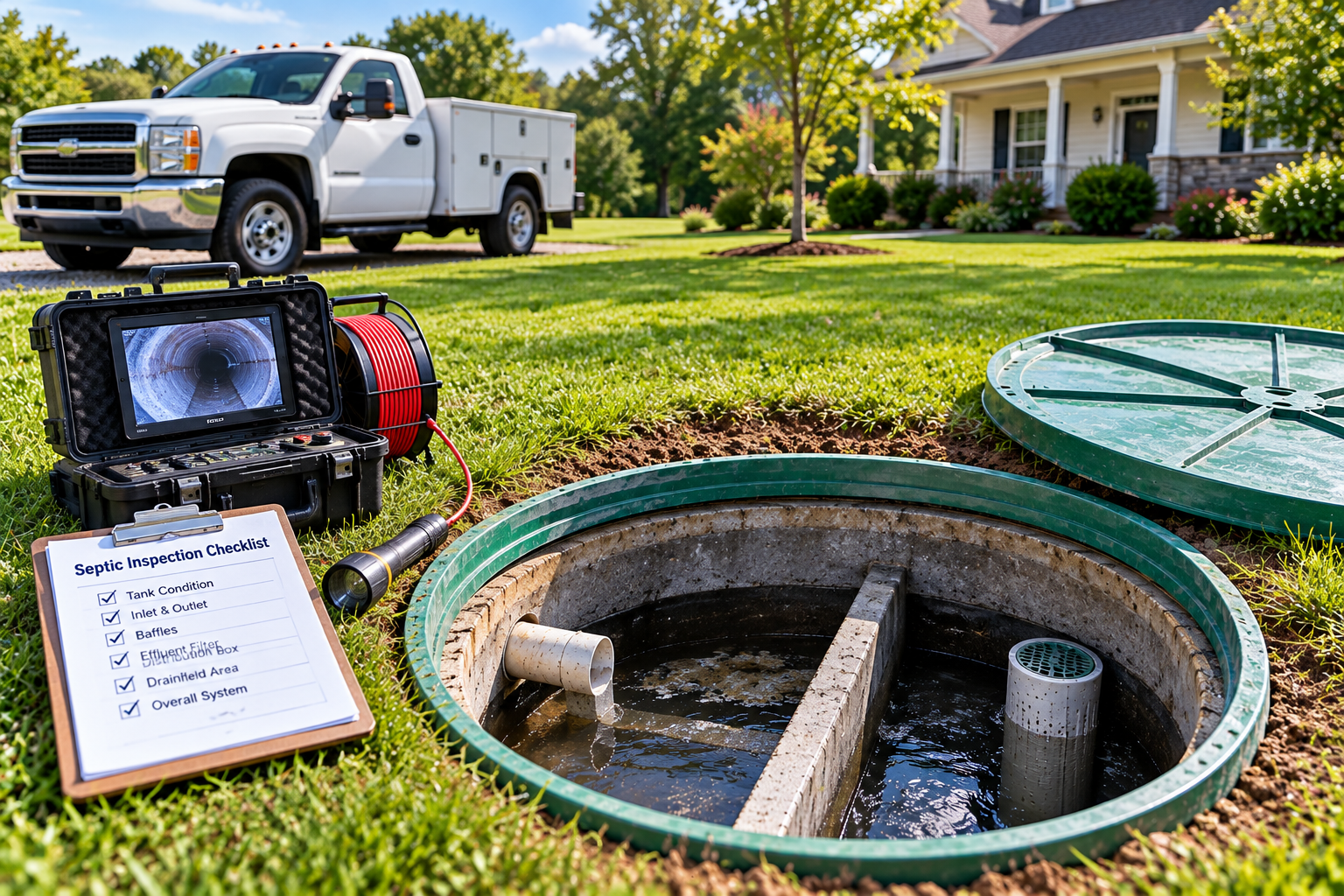
Final Thoughts: Don’t Ignore Slow Drains
Slow drains can be a minor annoyance or the first sign of serious septic failure.
If several fixtures are affected, or you notice gurgling, odors, or wet spots in your yard, don’t wait. Early diagnosis and routine maintenance can prevent costly repairs and protect your home and the environment.
Need Help With Slow Drains or Septic Problems?
If you’re noticing slow drains, gurgling pipes, or persistent odors, DO NOT wait for sewage to reach the floor. ACT NOW and restore your septic system while it’s still recoverable!
Our in-network licensed septic professionals can inspect your system, find the cause, and recommend the right solution.
Schedule your septic inspection today or call UnitedSep’s customer care team for assistance at 866-688-7218, or email us at customercare@unitedsep.com.
Learn all there is to know about your septic system with our Complete Homeowner’s Guide to Septic Care.